Regenerative, organic, biodynamic…
What is regenerative farming?
regenerative agriculture
At its core, regenerative agriculture seeks to build soil health and fertility on the farm by utilizing management techniques that work in alignment with nature and its rhythms. Carbon dioxide is captured and sequestered through plant photosynthesis and then stored underground as soil organic carbon, a process known as biological carbon sequestration. Regenerative agriculture provides farmers with an opportunity to halt the warming of our planet and climate change.
This definition is evolving. As technology and science pinpoint what quantifiable soil health indicators are linked and reflected in our daily decisions, this fluid definition and its farming practices may shift over time.
Regenerative agriculture principles are not new. Indigenous communities have practiced these techniques for millennia. Traditional agriculture cites these concepts in texts dating back several centuries. Biodynamic farming and organic farming share many overlapping concepts with regenerative agriculture. Biodynamics (and later on, organics) was the first cohesive farming movement to embody this core philosophy of working with nature and its cycles; it is the original regenerative approach based on shared ancient knowledge, practiced for eons and passed down through generations of farmers.
-
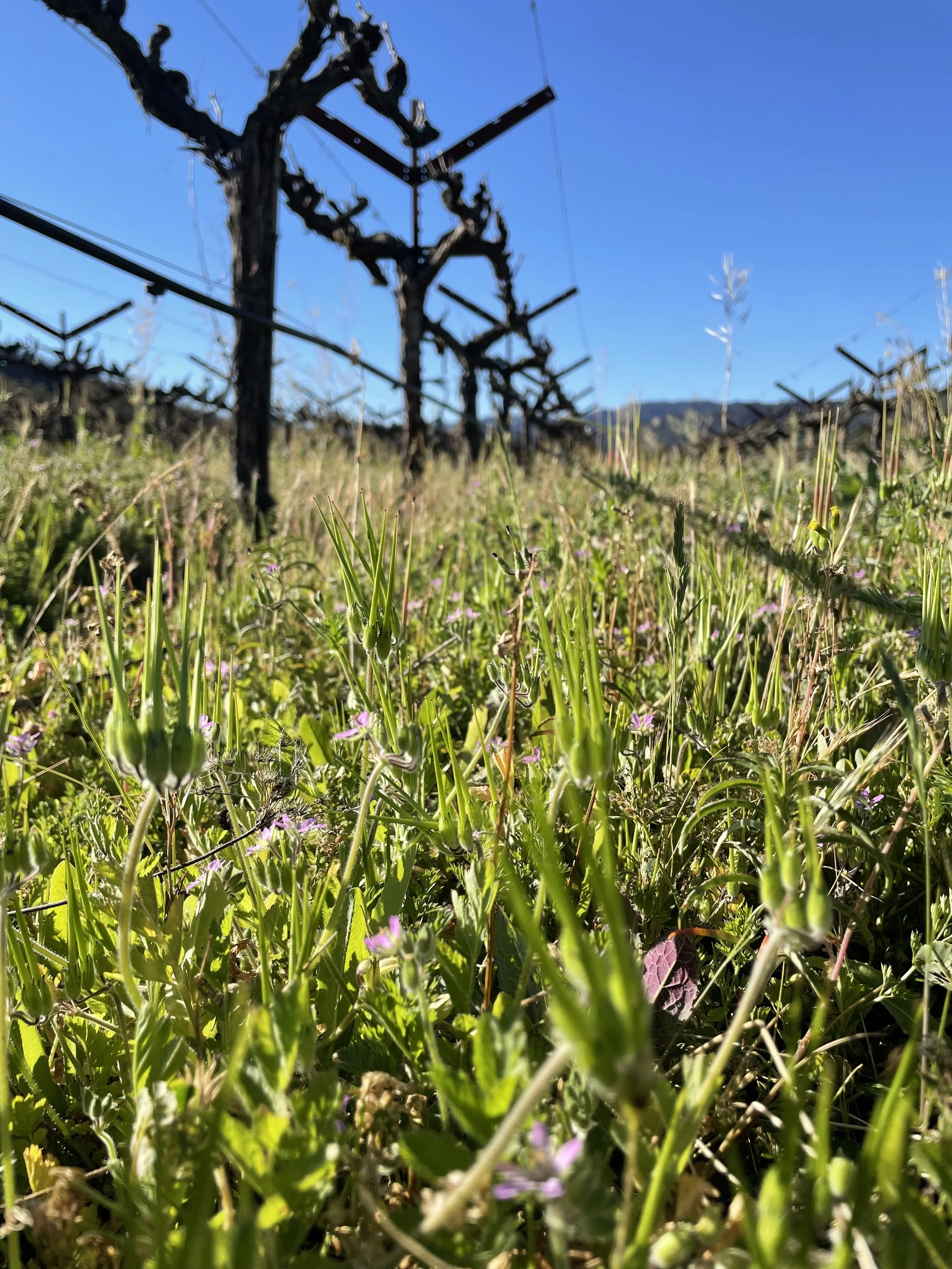
Maintaining living roots in the soil drives the photosynthetic capacity of the farm. This captures more carbon to feeds soil microorganisms. Research shows clear benefits to decreasing soil disturbance including: improvement in water holding capacity and infiltration rates, increased soil organic carbon and organic matter, higher beneficial fungi populations, more diverse microorganism species, the list continues. There are instances where a cultivation or ripping pass is beneficial. Being a good farmer comes down to using the right tool at the right time.
-
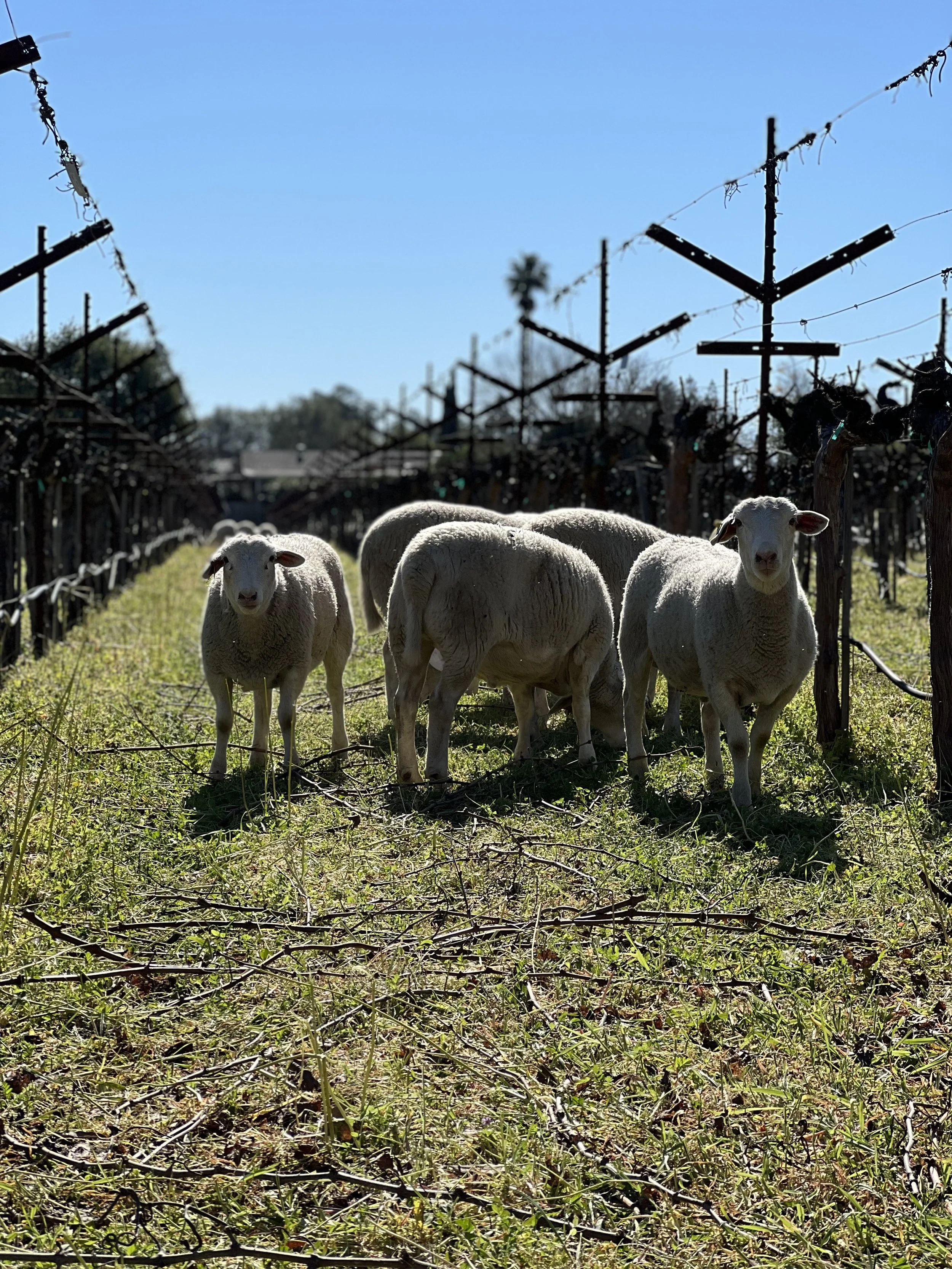
Increase biodiversity on the farm through animal grazing, owl and bird boxes, bee keeping, attracting beneficial insects by installation of hedge rows, pollinator habitats and diverse multi-species cover crops.
-
Boosting soil fertility with compost, animal manures, cover crops, crop rotation, and soil biological stimulants such as biodynamic preparations #500 and barrel compost. Research shows microbial populations are site specific; making preparations on the farm means these soil inoculants are specifically targeted to your vineyard.
-
Minimize inputs - herbicides, fertilizers and pesticides. Plants know how to get what they need from the soil. Synthetic conventional fertilizers and herbicides disrupt the plant and soil’s ability to naturally cycle nutrients by compromising the microbiome and symbiotic relationships that make these processes hum.
-
Leads to vine resilience in the face of extreme climatic events
Microorganism diversity supports efficient nutrient cycling which minimizes inputs, saving money
Suggested correlative link between clean farming and wine quality
Ensuring viable farmland for generations to come is vital for humans to thrive and feed itself in the coming decades